WT 2021 in millimetres: what the U-values mean on site
The regulation is written in W/m²K. Nobody orders in W/m²K. These are the depths that actually get you there, per material.
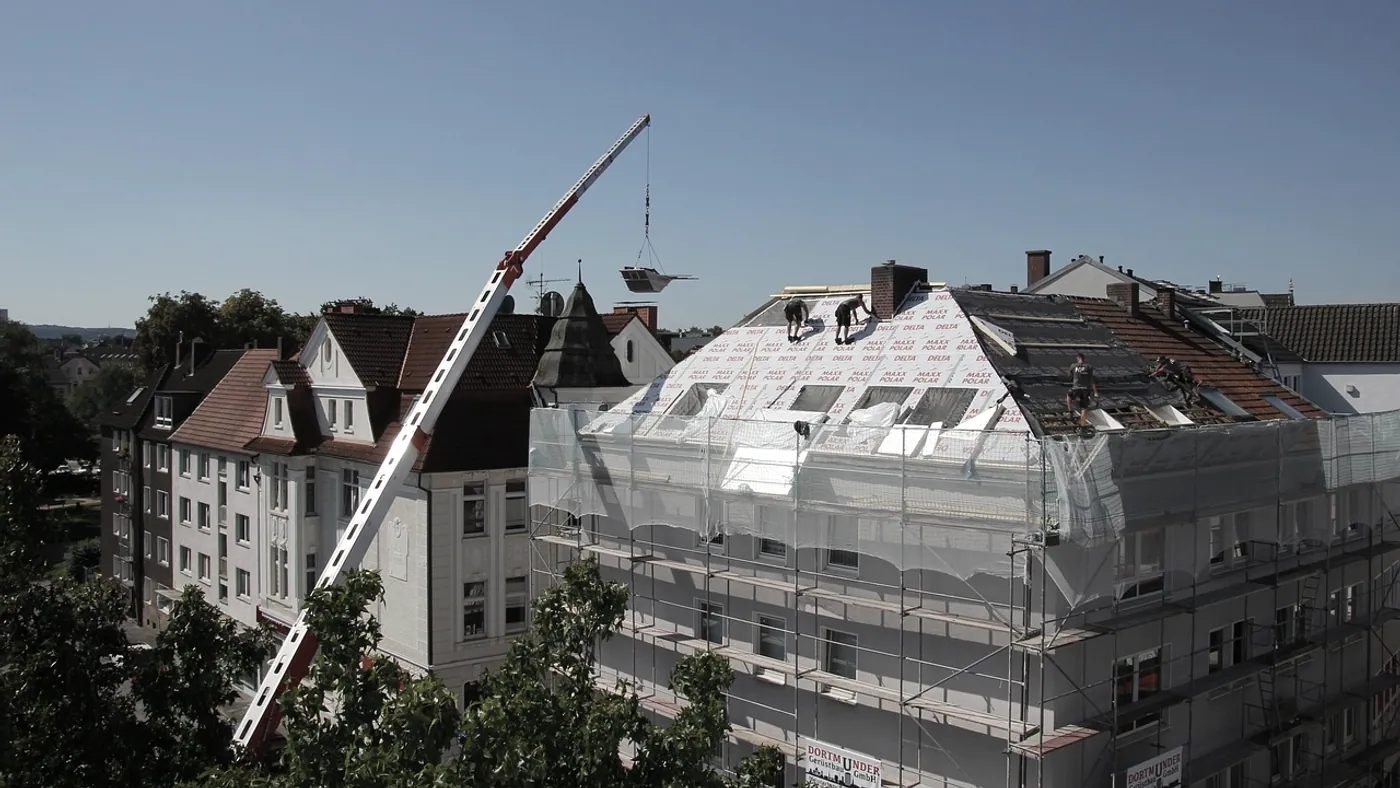
Since January 2021 the Polish technical conditions have asked for U ≤ 0.20 W/m²K on external walls, U ≤ 0.15 on roofs and U ≤ 0.30 on ground floors. Those are the numbers in the regulation. What a site needs is a thickness.
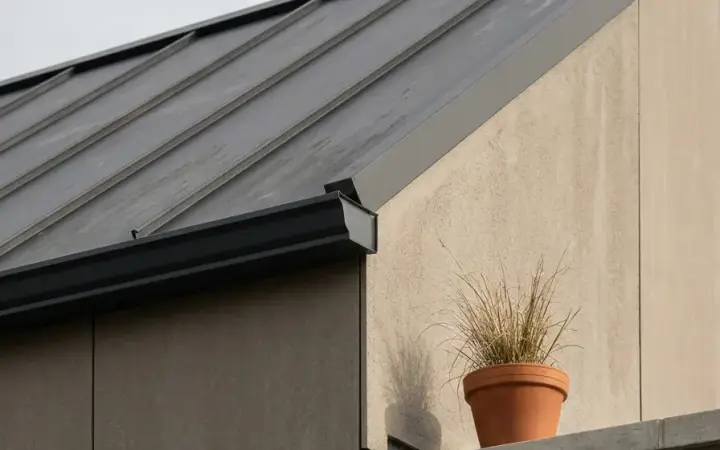
Roofs: U ≤ 0.15
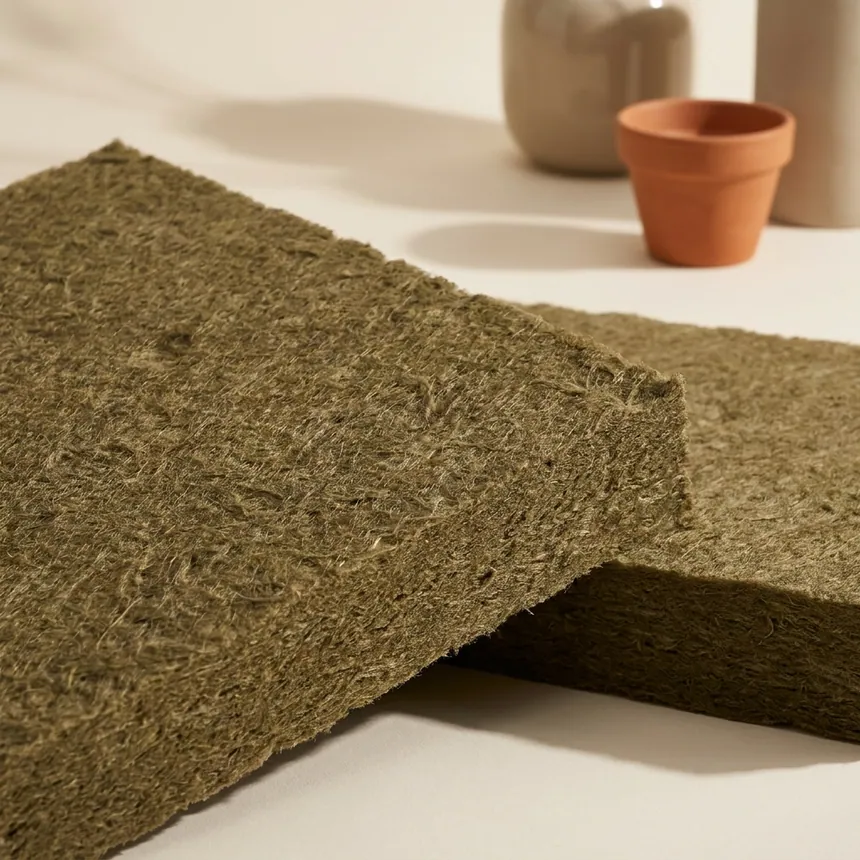
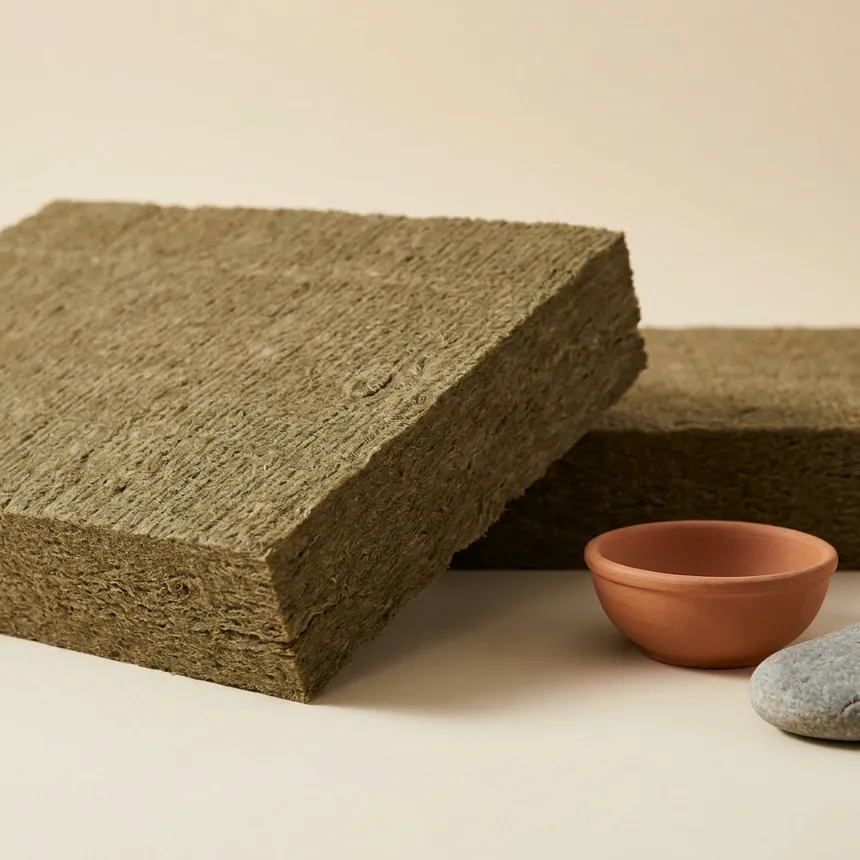
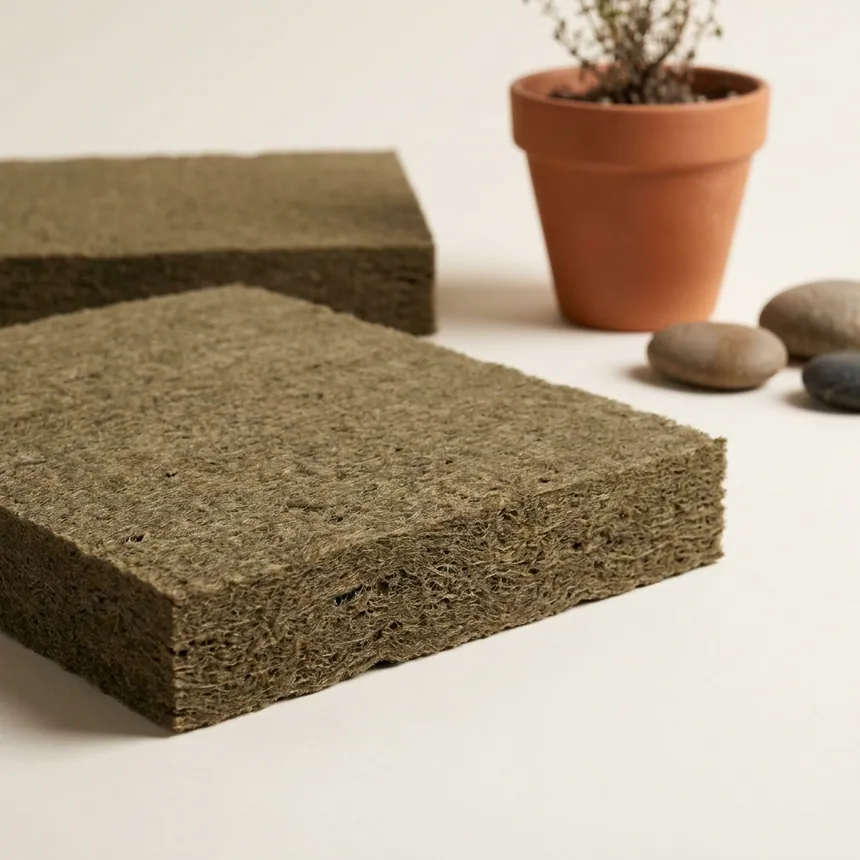
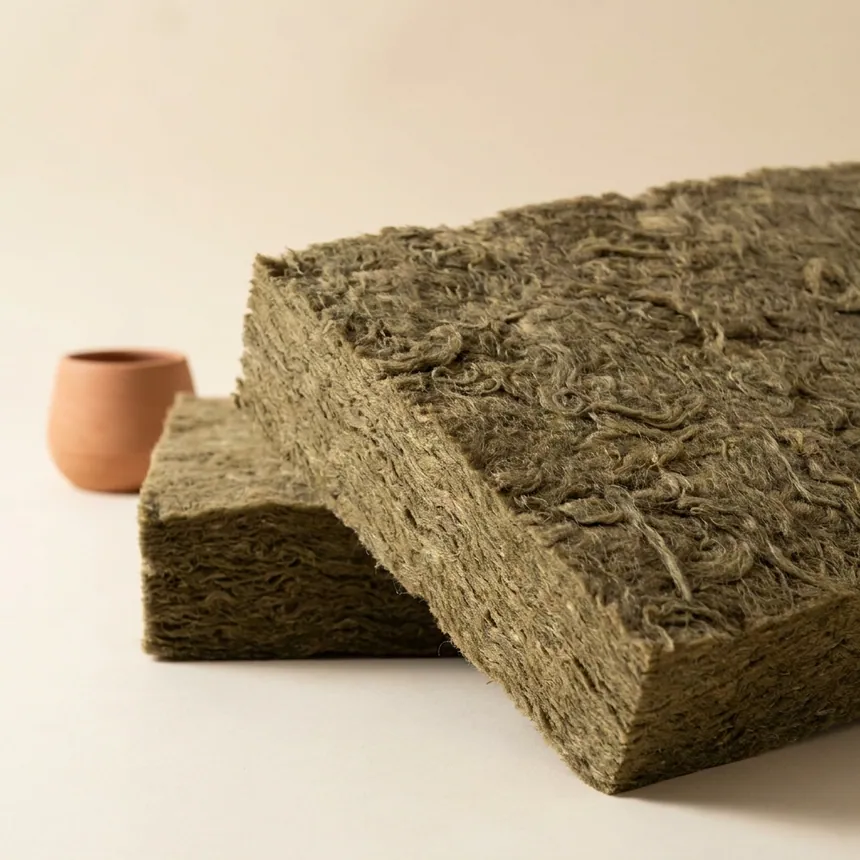
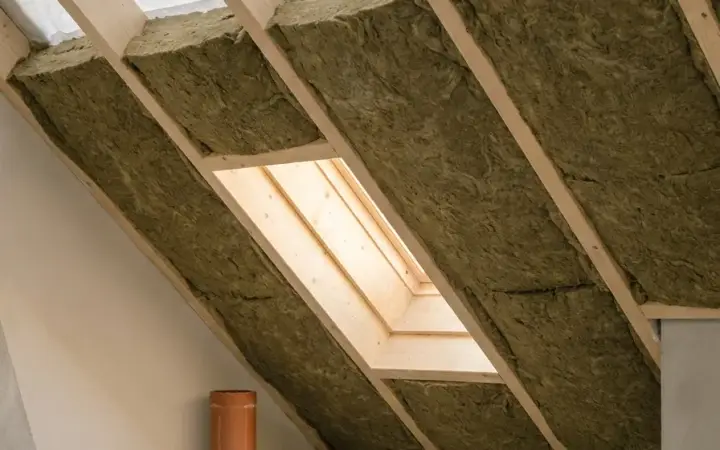
Between and over rafters, with the usual timber fraction, you are looking for roughly 300 mm of standard mineral wool at lambda 0.039, or about 250 mm at lambda 0.033. That is the difference Isover Super-Mata buys you — six centimetres of rafter depth, which is often the difference between a normal truss and a special one.
Where the build-up cannot grow, PIR changes the arithmetic entirely. Recticel Eurothane Silver is lambda 0.022, so 100 mm of it does roughly what 180 mm of glass wool does. On a flat roof that cannot take another 60 mm of falls, that is not an optimisation — it is the only compliant answer.
Walls: U ≤ 0.20
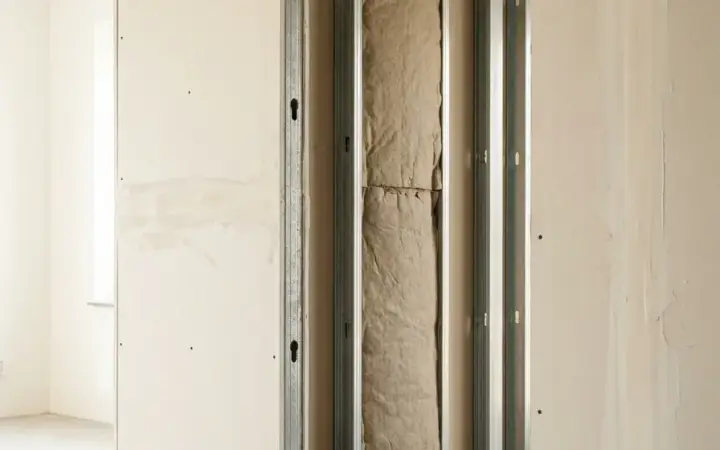
On a standard aerated-block wall, 150 mm of white EPS at lambda 0.040 gets you there with very little margin. 120 mm of graphite EPS at lambda 0.031 gets you there with room to spare, and keeps the window reveal workable — which on a retrofit is usually the binding constraint, not the U-value.
Above 25 m the calculation stops being thermal. Polish fire regulation requires non-combustible insulation on those façades, which means stone wool: Rockwool Frontrock at lambda 0.036, around 150 mm. It costs roughly double the EPS and it is not optional.
Floors: U ≤ 0.30
Over ground, 100 mm of EPS 100 under the screed is the normal answer. The compressive class matters more than the lambda here — a floor board has to take the screed, the finish and whatever is wheeled across it for thirty years without creeping.
The part that gets missed
All of those figures assume the insulation is continuous. A 300 mm roof with a 40 mm gap at the wall plate is not a 300 mm roof; thermal bridging at junctions routinely costs more than the difference between two lambda grades. It is worth more to close the junctions properly than to upgrade the material and leave them open.
If you send us the section, we will run the build-up and come back with the depth per material, including what the reveal detail does to it.