
Measure the wall, not the door
Nine door problems out of ten are a casing problem. Here is what to record before the order goes in, and why the answer arrives three weeks later than you think.
A door leaf is a commodity. The casing is where jobs go wrong, because the casing has to fit a wall whose finished thickness nobody wrote down.
What an adjustable casing actually adjusts to
A telescopic casing spans a range — typically 75–95 mm, 95–115 or 75–140 depending on the programme. That range has to cover the FINISHED wall: the studs, the board on both faces, the skim and anything glued to it.
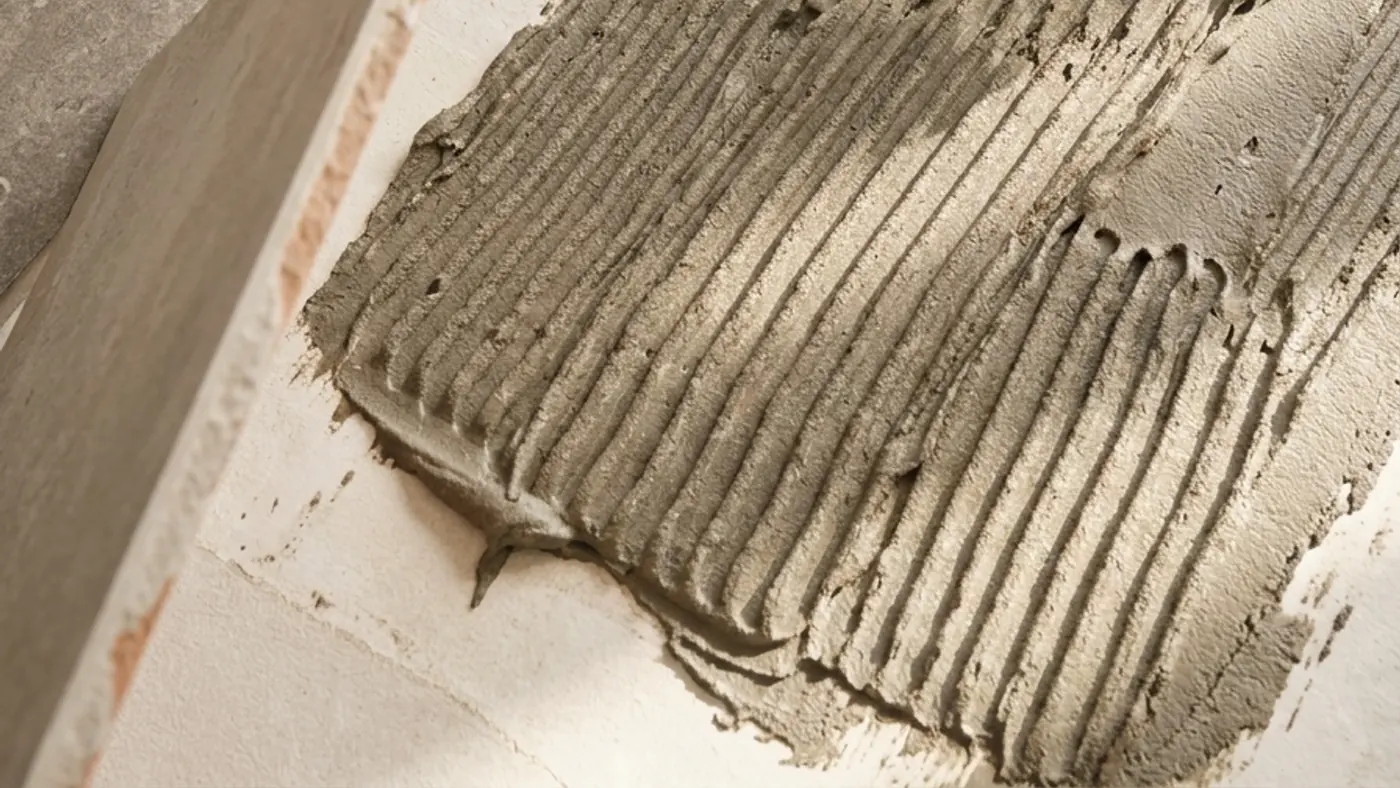
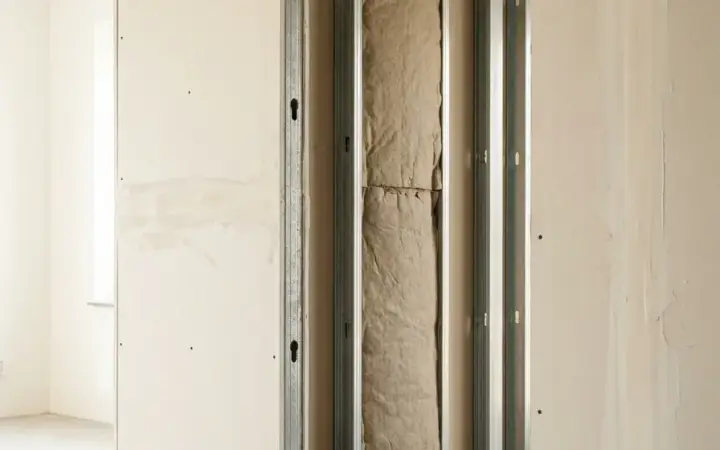
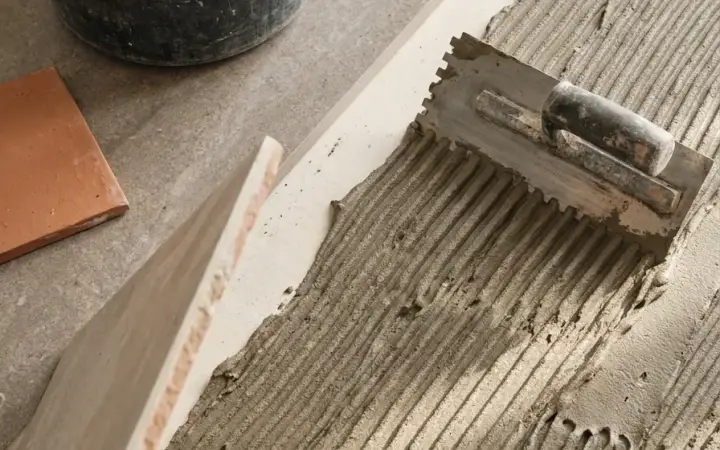
A standard CW 75 partition boarded once each side finishes at 100 mm. Board it twice for acoustics and it is 125. Put 10 mm of tiling on one face of a bathroom wall and it is 135. Those are three different casings, and the difference is decided months after the doors were priced.
The five numbers to record
- Structural opening width and height, measured at three points each — openings are rarely square.
- Finished wall thickness, including every layer that will be there on handover.
- Floor finish build-up, because the undercut has to clear it: 8 mm laminate over 5 mm underlay is 13 mm the leaf has to swing over.
- Hand and swing: left or right, in or out of the room, seen from which side.
- Whether the wall is drywall or masonry — the fixing and the frame differ.
Get those five and a door order is routine. Miss the third and you get a leaf that catches the floor, which is an on-site plane-and-repaint, not a warranty claim.
Rebated or flush
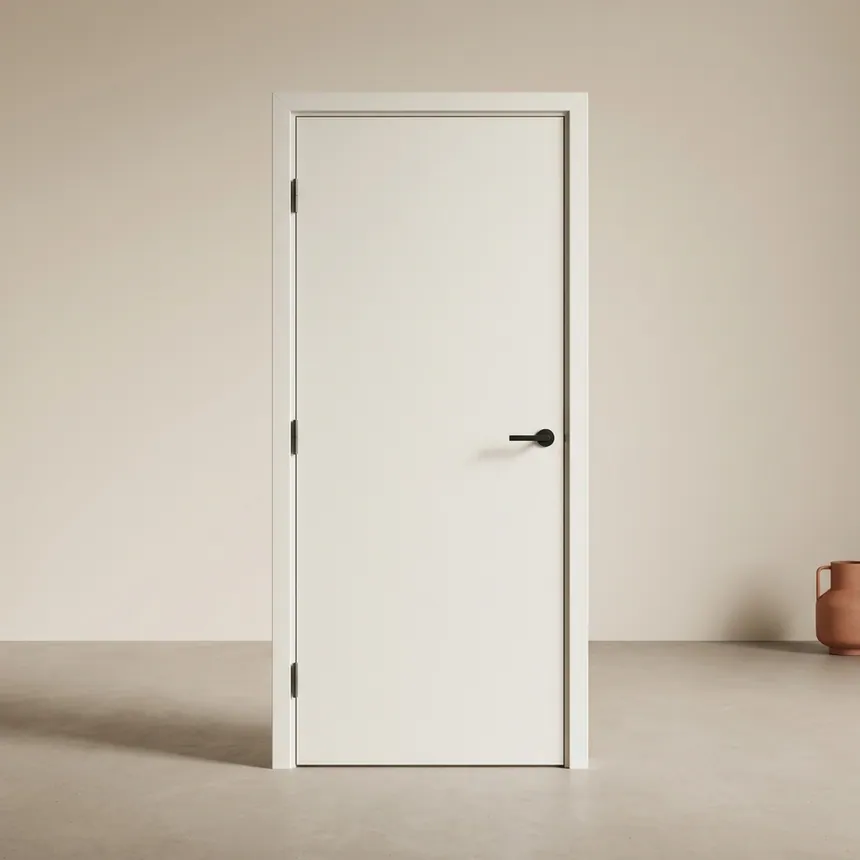
A rebated leaf closes against a lip in the casing. It is forgiving: the rebate hides a few millimetres of out-of-square, which is why it is the default in Polish residential.
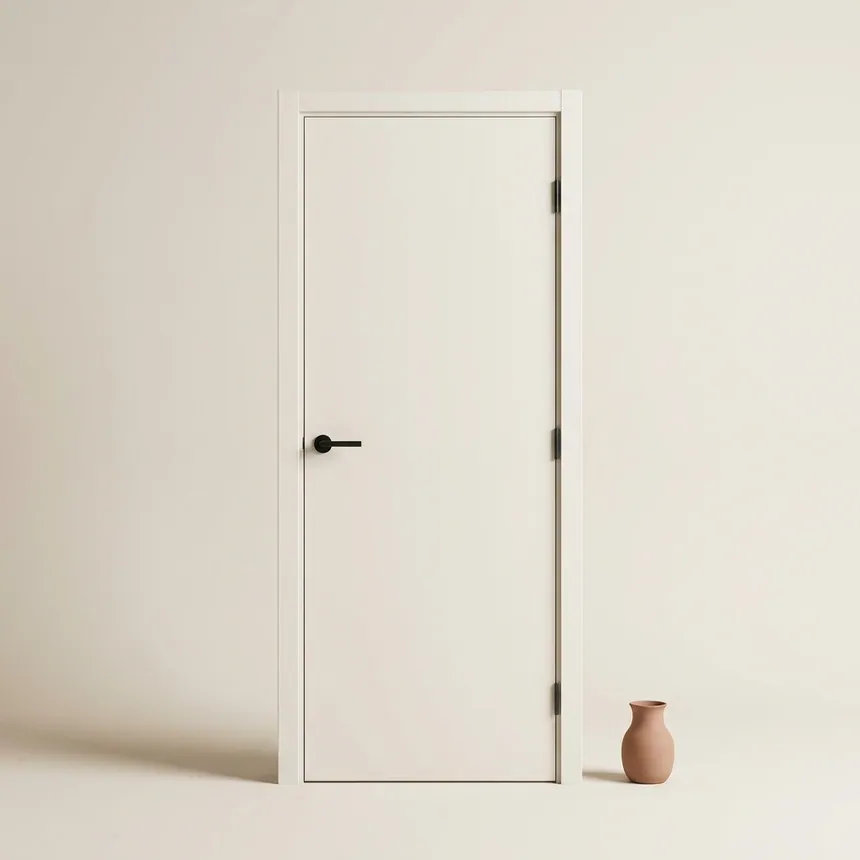
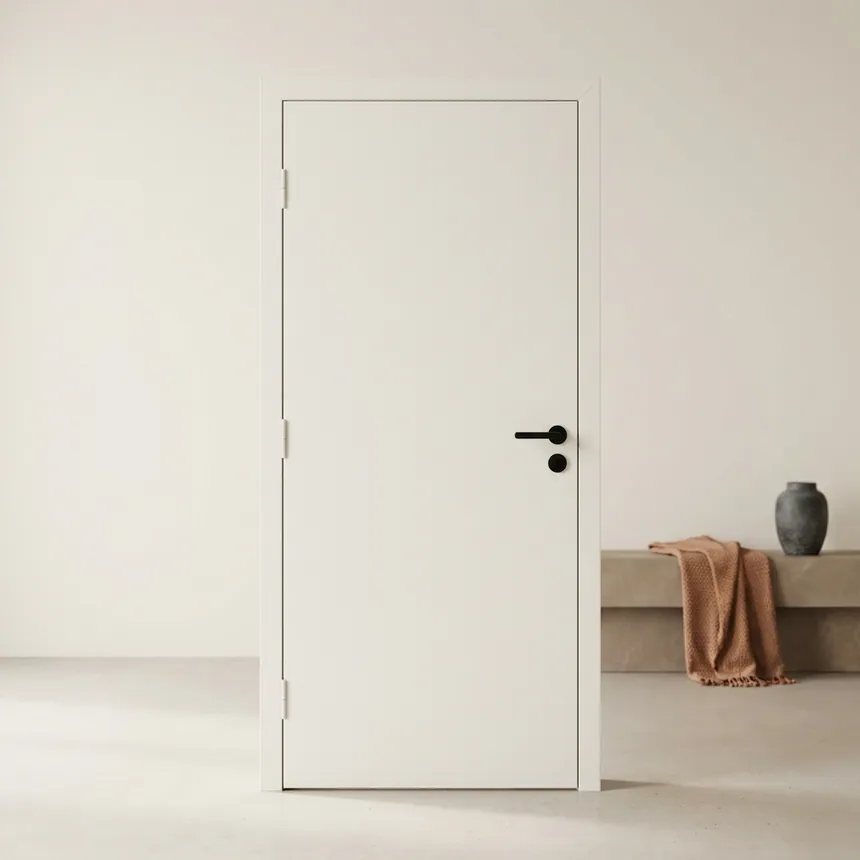
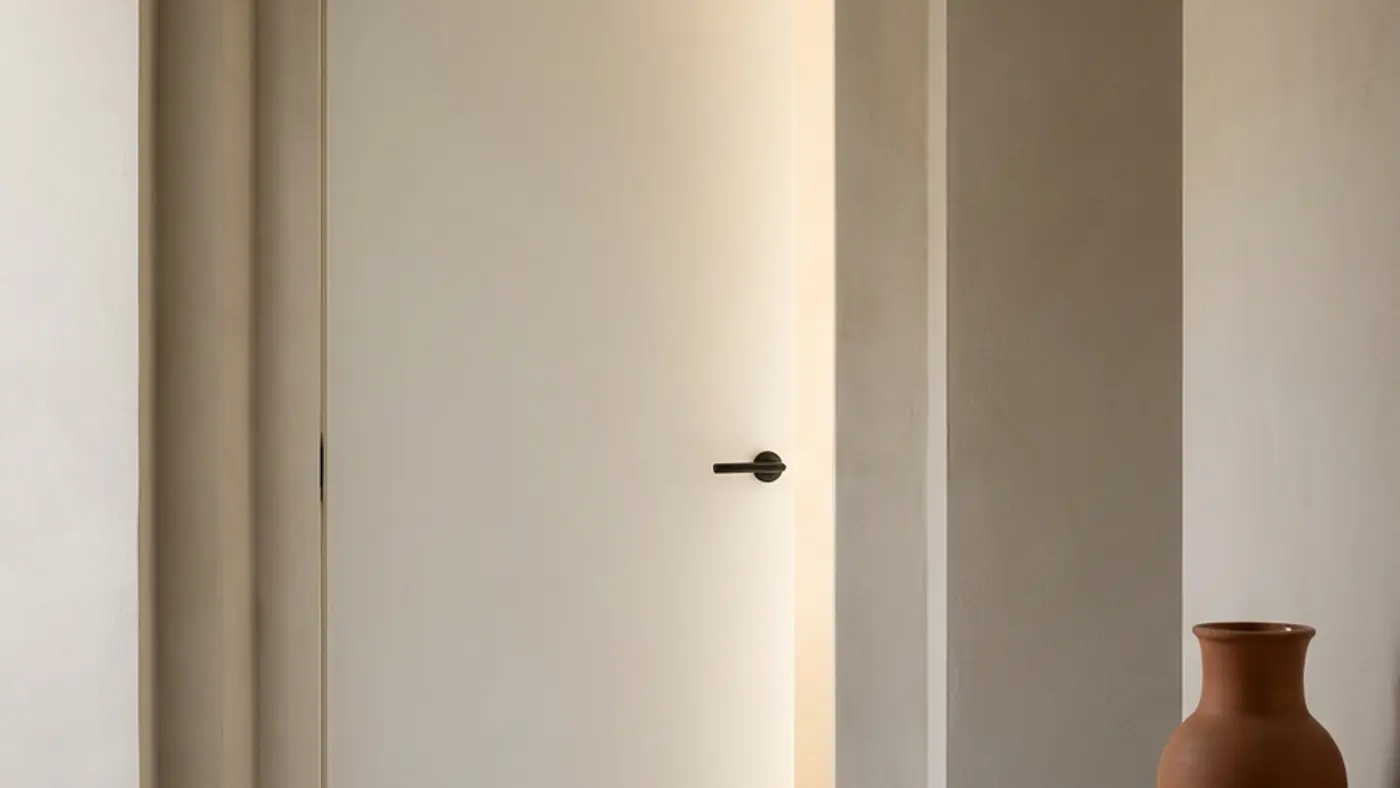
A flush, non-rebated leaf with a concealed frame sits in the wall as a plane. It looks better and it is far less forgiving — the opening has to be genuinely square and the casing set before the final skim. DRE's Galeria Alto is the version we supply most; specify the casing depth from the drywall build-up at order stage, not on the day.
Order earlier than feels necessary
Interior doors are made to order. Fifteen working days is the standard for a volume programme, twenty-five for veneer or a concealed frame. That is calendar time, so a door ordered when first fix finishes lands about when second fix wants it — and any later is the trade waiting.
If the wall build-up is not settled yet, order the leaves and hold the casings. Leaves are the long pole; casings we can supply at a week's notice once the number is real.