Concrete, clay or steel: what the roof actually decides
The covering is chosen on appearance and then constrained by three numbers — dead load, minimum pitch and what is on the ladder.
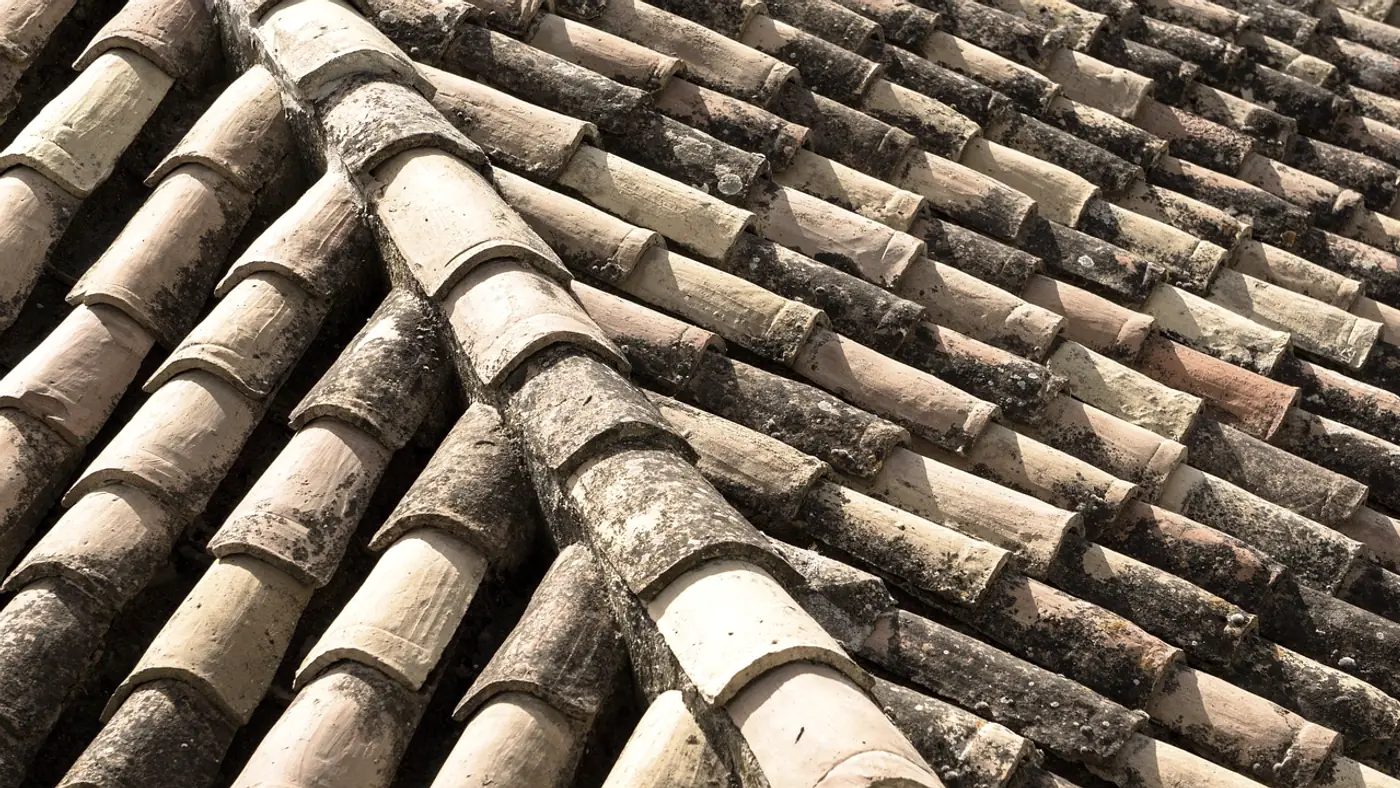
Three families cover almost every pitched roof in Poland. They look different, they cost differently, and — more usefully — they load the structure very differently.
Dead load, which the engineer sees first
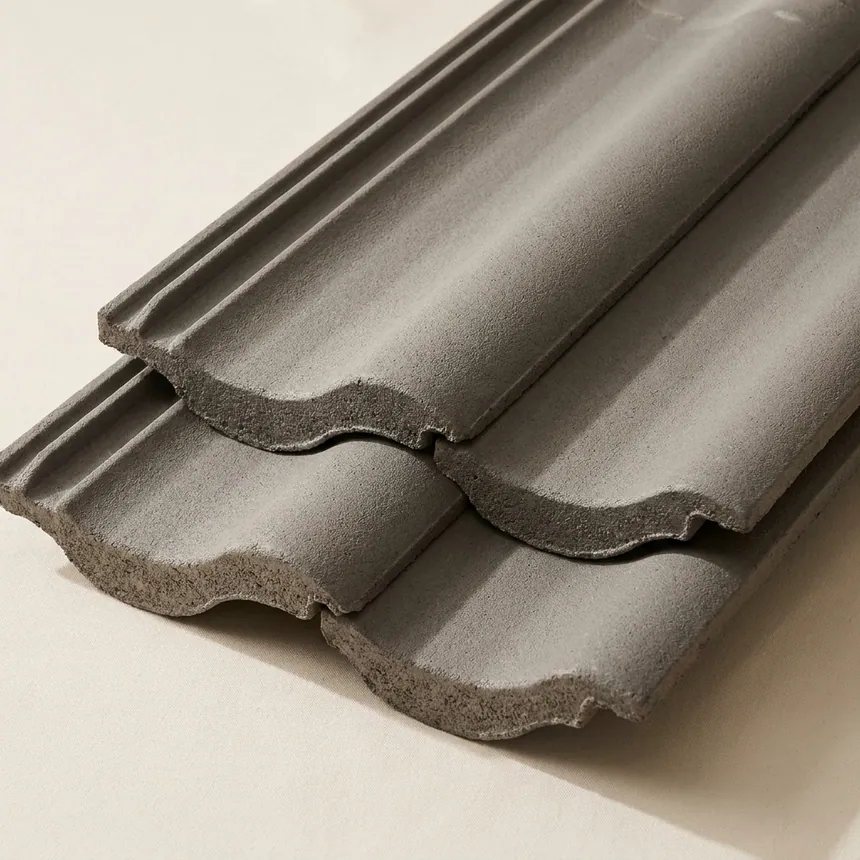
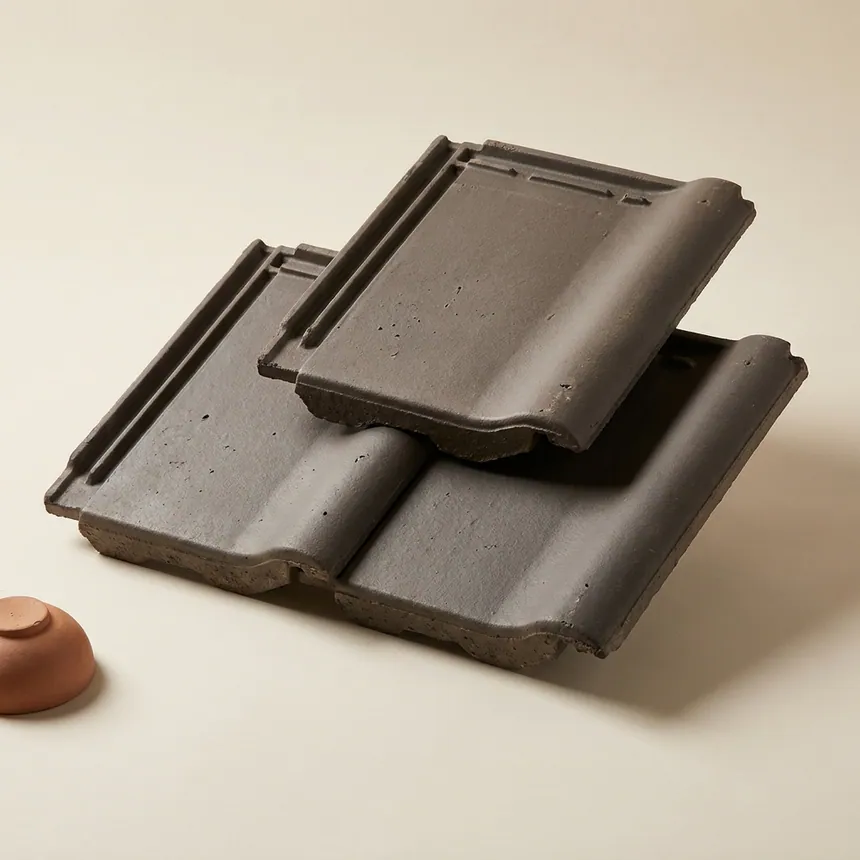
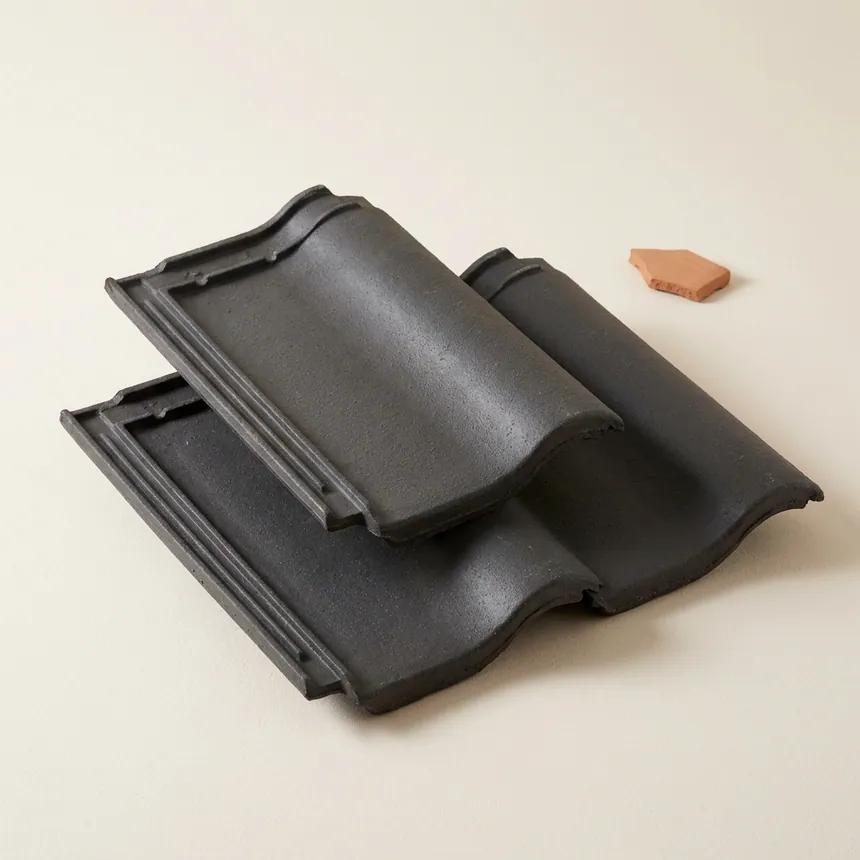
- Concrete tile — about 45 kg/m². The heaviest, and the cheapest per square metre.
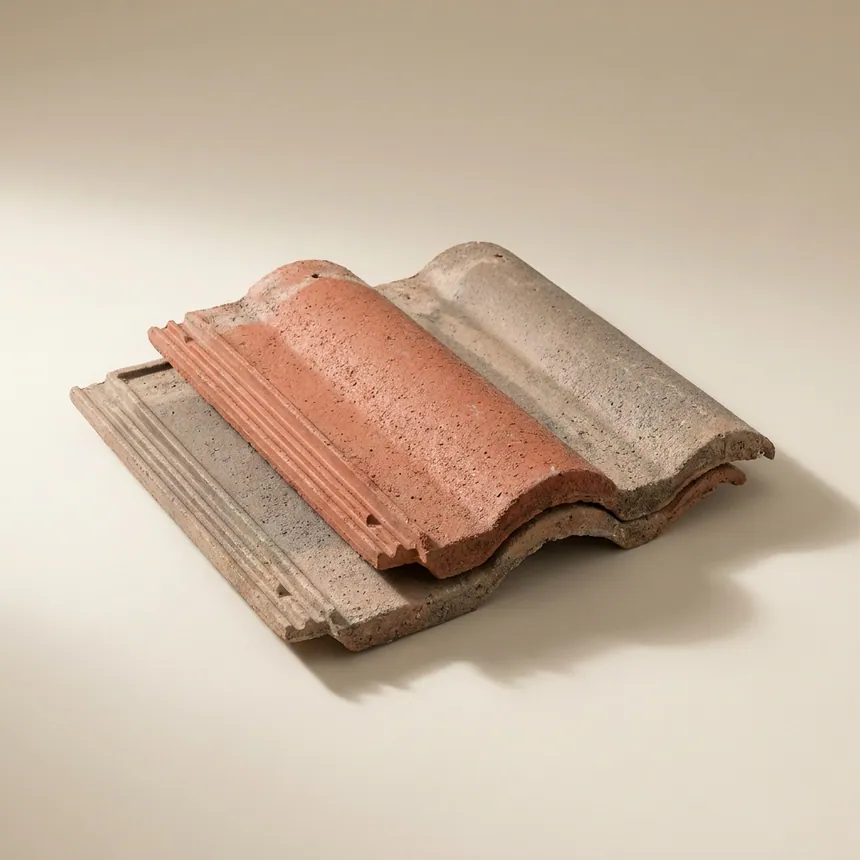
- Clay tile — about 40 kg/m². Slightly lighter, considerably dearer.
- Steel sheet — about 5 kg/m². Roughly a ninth of the weight of tile.
On a new build the engineer sizes the rafters for whatever you specify, and 45 kg/m² is unremarkable. On a re-roof it is the whole conversation: an old structure designed for slate or sheet often cannot take tile without strengthening, and that strengthening costs more than the difference between the coverings.
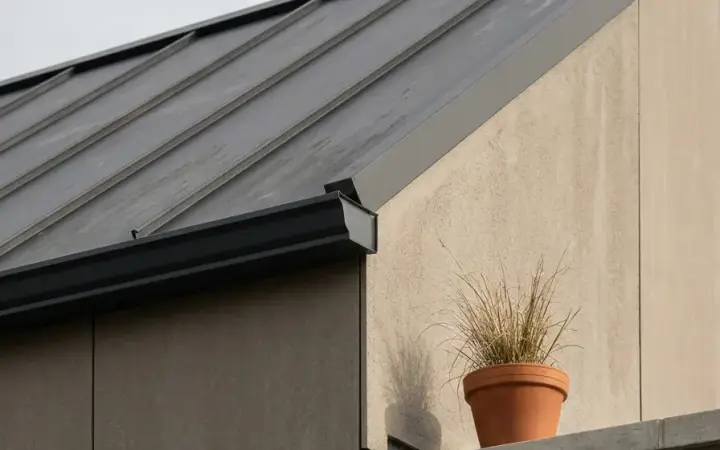
This is why steel wins so many refurbishments. It is not usually the aesthetic choice; it is the choice that does not require a structural report.
Minimum pitch
Every covering has a pitch below which it stops being weathertight without extra measures. Concrete and most clay tiles want 22°, some clay profiles manage 20°. Modular steel goes to 9°, trapezoidal sheet to 7°, standing seam to 5°.
A shallow roof therefore narrows the choice before anyone opens a sample book. Going below a covering's minimum is possible with a fully sealed underlay, but it converts the underlay from a secondary defence into the actual waterproofing, and it should be a deliberate detail rather than something discovered on site.
What it costs, and what that buys
Concrete tile sits around 29 PLN net per square metre, clay from about 54 to 72, modular steel around 62, standing seam about 134. The spread is wide, but so is what you get: a thirty-year guarantee on concrete, frost class 1 at 150 cycles on good clay, a fifty-year technical guarantee on Pural-coated standing seam.
Clay earns its price on longevity and on how it ages — an engobe surface holds colour where a concrete granulate dulls. If the building is meant to look the same in twenty years, that is the argument.
The practical one nobody costs
Modular steel panels ship flat and go up a ladder in one pair of hands. Long-run sheet needs either a crane or a clear run along the ground, and neither exists on a tight urban plot. Tile needs a hoist and a lot of trips.
On a constrained site that logistics difference routinely outweighs the material price, which is why Blachotrapez Retro Plus turns up on so many city refurbishments and almost never on an open rural plot where a lorry can back to the eaves.
A short way to choose
- Ask the engineer what the structure takes. That eliminates a family or it does not.
- Check the pitch against the covering's minimum. That eliminates another.
- Ask how material reaches the roof. On a tight site this decides it.
- Only then choose on appearance and guarantee — which is the part everyone wanted to start with.