Why tile from two pallets does not match
Calibre and shade are printed on every box and read by almost nobody. They are the single most common cause of a re-tile.
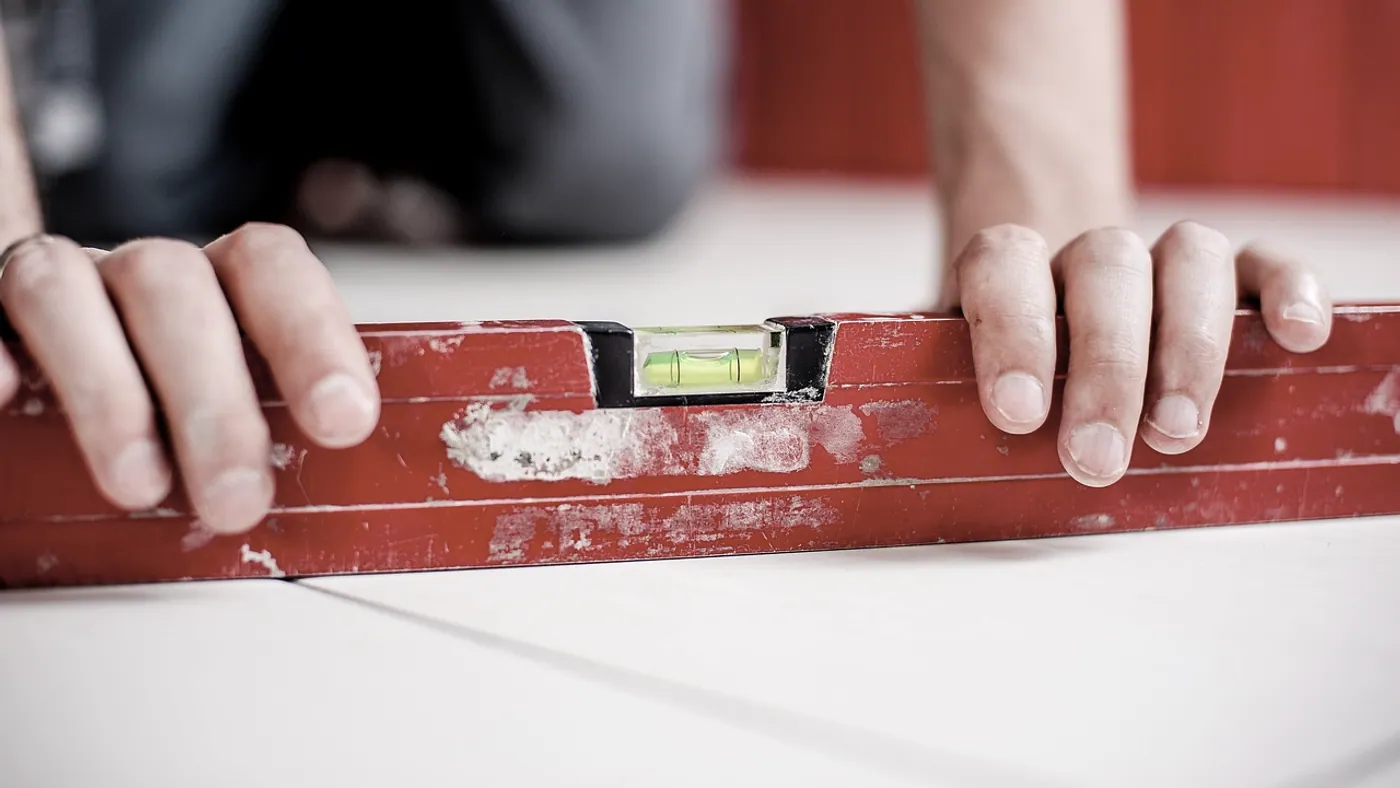
Porcelain is fired, and firing moves things. Two tiles of the same product from two production runs will differ slightly in size and slightly in tone. The manufacturer measures both, sorts the output, and prints the result on the box as a calibre and a shade code.
Calibre
Calibre is the actual fired size, sorted into bands — typically a millimetre or so apart on a 60 cm tile. Within one calibre, joints stay even. Mix two calibres in one floor and the joint width drifts visibly across the room, because the tiles are genuinely different sizes.
Rectified tiles are ground to size after firing, so the variation is much smaller — but it is not zero, and the calibre is still printed.
Shade
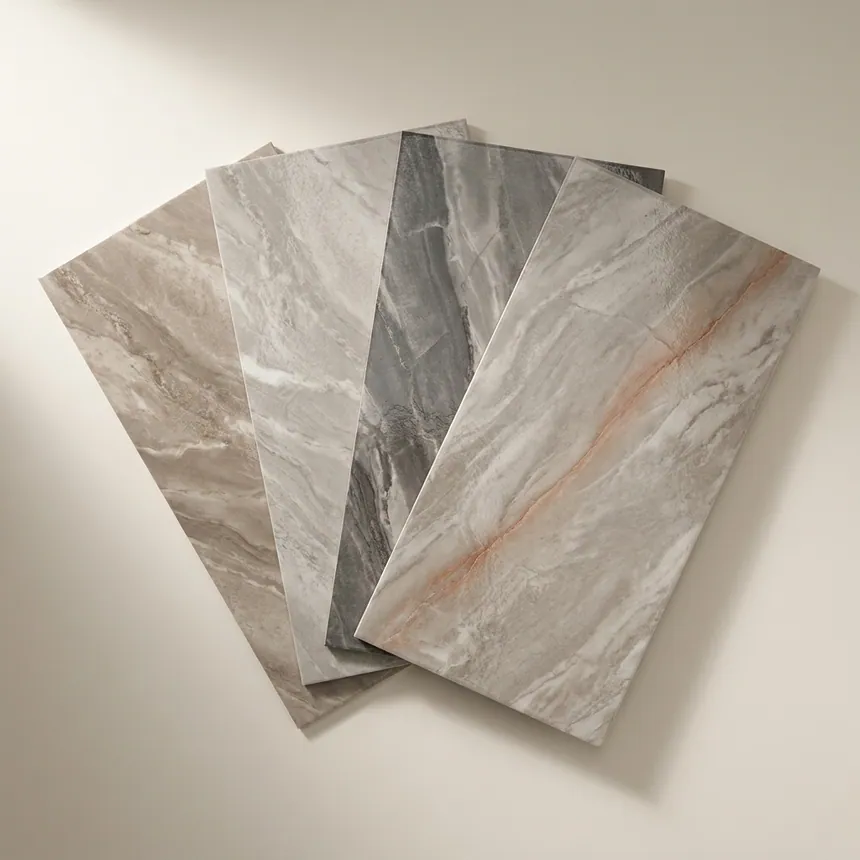
Shade is the tonal band, and on stone- and marble-effect tiles it is the one people notice. A different shade code is not a defect; it is the mill telling you these came from a different run and should not be laid against the first batch without checking.
What this means when ordering
- Order the whole floor at once, including wastage. Coming back for eight square metres four weeks later is how you end up with two calibres.
- Allow 7–10 % over take-off — more on a herringbone or diagonal lay, more again on a room with many cuts.
- Check the calibre and shade on every pallet before the fixer opens box nine on a Friday afternoon.
- Keep two or three boxes from the same batch for repairs. Sealed, in the dry, labelled.
What we do about it
For any programme long enough that phase one and phase six are months apart, we reserve the calibrated batch against the contract at award and draw down against it, rather than pulling from general stock each time. It occupies our racking rather than yours, and it is the reason building nine can still match building one eighteen months later.
If you have already started a floor and need to extend it, send us the batch and calibre codes off the packaging. We will check what the mill still holds before you commit to anything.